Irresistibly Delicious Homemade Pad Thai Sauce: Unlock the Secrets to Authentic Flavor
As a child, the aroma of sizzling noodles and tangy sauce wafting from the kitchen always meant that my mom was making her famous Pad Thai. No dishes or complaints in our house could match the magic of that family favorite! Every bite was a trip to the bustling streets of Thailand, where I dreamt of enjoying authentic street food. When I finally learned to recreate her Homemade Pad Thai Sauce, it felt like I had unlocked a culinary treasure.
This sauce isn’t just a mix of ingredients; it’s an experience that brings comfort, joy, and nostalgia, all tied up in a delicious bowl of noodles. Unlike many store-bought sauces that can taste overly sweet or artificial, this homemade version strikes a perfect balance of salty, sweet, and sour that will transport you straight to Thailand. You’ll learn why this sauce elevates your Pad Thai to a whole new level of flavor and offers the opportunity to customize your dish, making it uniquely yours.
Get ready to dive deep into the world of Homemade Pad Thai Sauce, and I promise you’ll walk away with the skills to impress family and friends with the most authentic dish they’ve ever tasted!
What Are Homemade Pad Thai Sauce?
Homemade Pad Thai Sauce has its roots in Thailand, where it’s a staple for street vendors and home cooks alike. It embodies the essence of Thai cuisine, delivering a delightful medley of savory, sweet, and tangy flavors that make every bite unforgettable. The traditional sauce is usually crafted from tamarind paste, fish sauce, and palm sugar, combining to create a thick, sticky texture that clings beautifully to your noodles.
What makes this sauce special is how it embodies the spirit of balance in Thai cooking. The richness of the palm sugar plays off the umami of the fish sauce, while the sourness of the tamarind balances it all perfectly. This sauce isn’t just for cooking; it’s the heartbeat of your dish, weaving together a tapestry of flavors that stir up sensory memories.
When should you whip up this sauce? Any time you crave a taste of warm, comforting Pad Thai at home or whenever you’re hosting a gathering and want to impress your guests with a touch of authentic Thai flair!
Why You’ll Love This Recipe
Flavor Explosion: This Homemade Pad Thai Sauce packs a punch with its complex flavors that you won’t find in store-bought versions. The kissing notes of sweet, sour, and salty create an irresistible combination that dances on your palate.
Cost-Effective: Making your sauce at home is not only cheaper than buying fancy bottled varieties but also allows you to use high-quality ingredients without the preservatives and artificial flavors found in many grocery-store versions.
Fully Customizable: One of the best parts of this recipe is its versatility. If you’re vegetarian, you can simply swap out fish sauce for a mushroom sauce or soy sauce, and it’s just as delectably divine!
Easy to Prepare: Yes, you can whip this up in less than 30 minutes. Even if you’re a beginner in the kitchen, you’ll find this step-by-step guide easy to follow, ensuring your success!
Makes a Large Batch: The sauce can be stored for future cravings. Make a double batch, and you’ll always have the secret to savory Pad Thai on hand, ready to impress on a weeknight or during a cozy gathering.
Ingredients
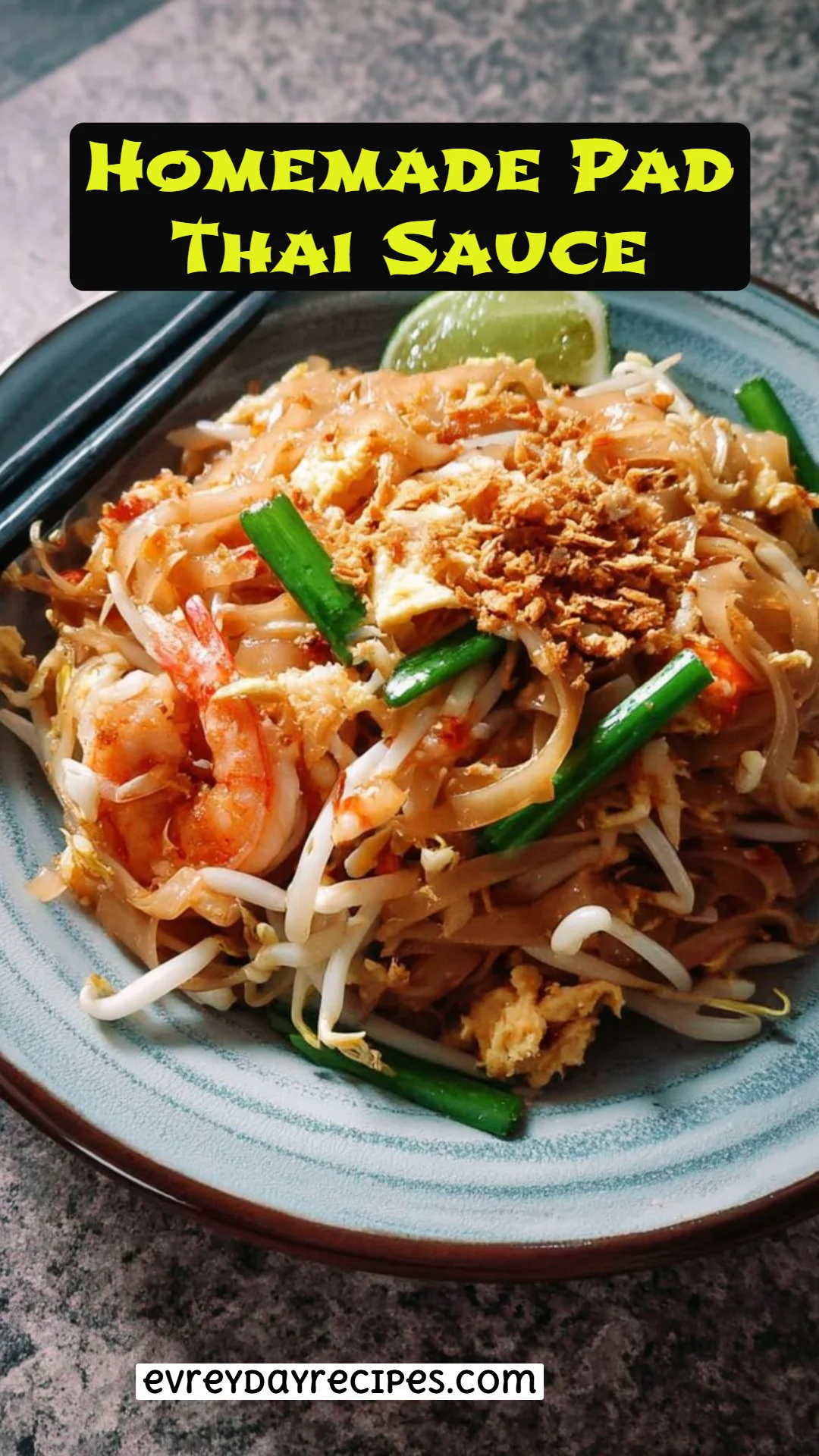
Key Ingredients:
- 2 tablespoons oil: For sautéing the garlic and shallots. I recommend using a neutral oil like canola or sunflower, which won’t overpower the sauce.
- 1.75 oz chopped garlic (about 1 head): Fresh garlic adds an aromatic kick that elevates your sauce.
- 4 oz chopped shallots (about 1 cup): Shallots bring sweetness and depth. Red or yellow shallots work great here.
- 4.9 oz palm sugar (roughly chopped): This is essential for that authentic sweetness. If you can’t find palm sugar, you can substitute with brown sugar, but the flavor won’t be as complex.
- 1/2 cup fish sauce: Look for a high-quality, Thai-brand fish sauce for a more intense umami.
- 3/4-1 cup tamarind paste: The base of your sauce, its sourness balances the sweetness from the palm sugar beautifully. Adjust the amount to taste.
- Chili flakes (to taste, optional): Spice it up! Fresh or dried chilies work well depending on your heat preference.
Prep Notes: Make sure your ingredients are at room temperature for better blending.
Step-by-Step Instructions
In a medium-sized pot, heat the 2 tablespoons of oil over medium-high heat. You want the oil shimmering but not smoking.
Add the 1.75 oz of chopped garlic and 4 oz of chopped shallots to the pot. Sauté them until they are soft and translucent, about 5-8 minutes, releasing those heavenly smells. Remove from the pot and set aside.
Return the pot to medium heat, then add the 4.9 oz of palm sugar. Let it cook until it melts, pressing on any hard chunks to help dissolve them quickly. Once melted, let it cook a little longer to caramelize while stirring occasionally—watch it closely so it doesn’t get too dark.
Turn off the heat, then carefully add the 3/4-1 cup of tamarind paste. It will bubble aggressively! No need to panic. Just gently stir until combined.
Turn the heat back to low and gradually add 1/2 cup of fish sauce while continuing to stir. After the sugar is mostly dissolved (don’t sweat if a few chunks remain; they will dissolve eventually), add the sautéed garlic and shallots back in the mix.
For heat enthusiasts, stir in your chili flakes at this stage to taste. Allow your sauce to cool before measuring.
Pour the completed sauce into a liquid measuring cup to gauge your servings. Divide the total volume by 8 to determine how much sauce to use per serving for Pad Thai. Jot this number down and tape it to the container of the sauce for easy reference.
Don’t forget to note that for every serving, you’ll need to add 1 1/2 tablespoons of water when cooking your Pad Thai!
Chef’s Tips
- Timing is critical for caramelizing the sugar; a minute too long can mean bitter flavors.
- If your tamarind paste is very thick, whisk in a little warm water before adding it to the cooked sugar.
Expert Tips & Tricks
Quality Ingredients: Always opt for the best ingredients. The taste difference between a robust fish sauce and a cheap version is profound.
Storage Stability: Your homemade sauce can last in the fridge for about 2 weeks in an airtight container. For longer storage, freeze portions in ice cube trays, then transfer to a zip-lock bag for up to 3 months.
Make-Ahead Magic: Prepare your sauce in advance for family dinners or meal prep. It actually tastes even better after a day in the fridge while the flavors meld together.
Common Pitfalls: Avoid overcooking the garlic and shallots. If they burn, the sauce will taste bitter.
Tweak to Perfection: If you find the sauce too strong, balance it with a bit of extra palm sugar or tamarind to find your perfect flavor.
Serving Suggestions
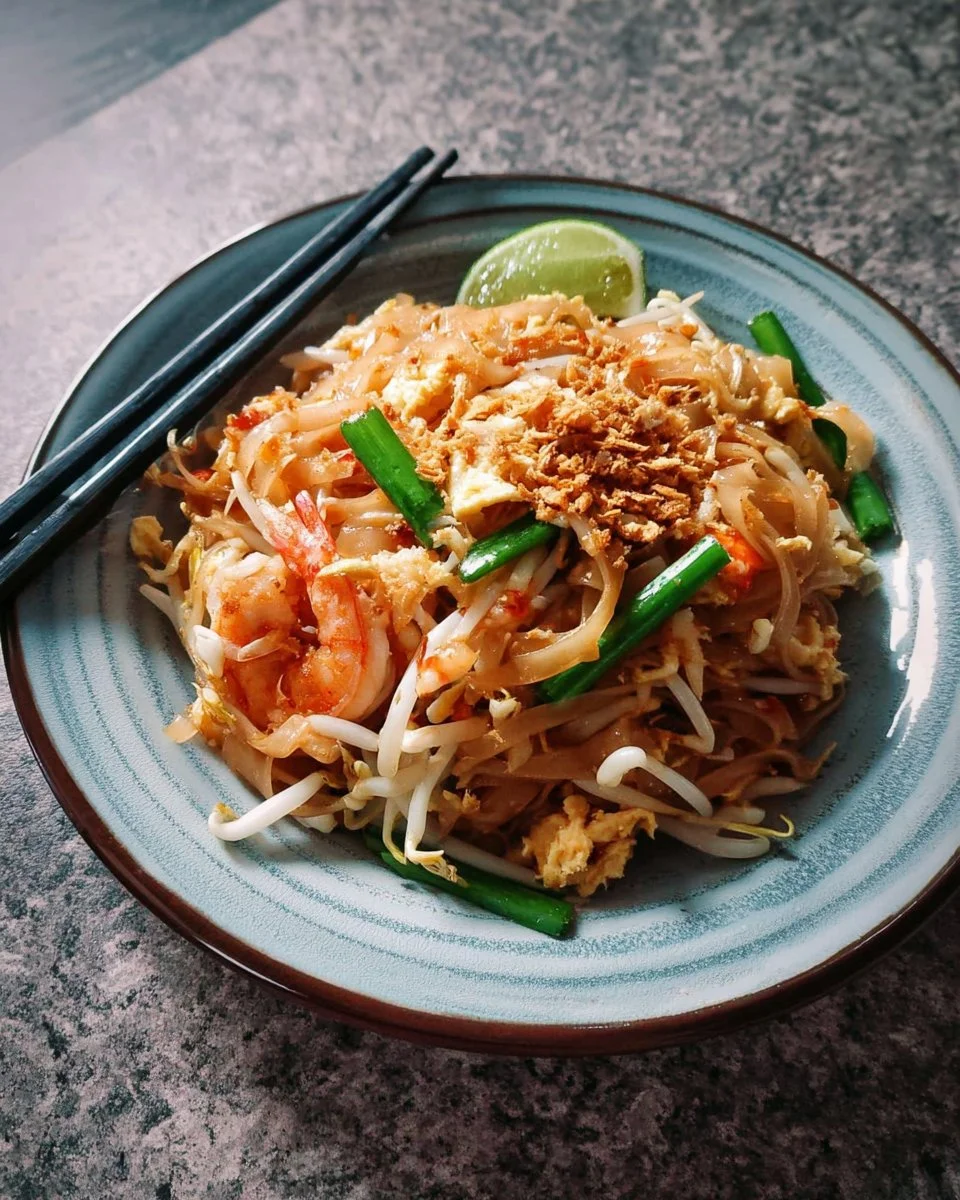
Serve your delicious Homemade Pad Thai Sauce over stir-fried rice noodles, and don’t forget the garnishes! Fresh herbs like cilantro and green onions can elevate the flavor beautifully. For a stunning presentation, have lime wedges, crushed peanuts, and even a sprinkle of bean sprouts on the side.
This sauce pairs well with grilled chicken, shrimp, or tofu depending on your preference, making it a great choice for a cozy dinner or a festive gathering!
Variations & Substitutions
- Vegetarian Version: Substitute fish sauce with soy sauce or a plant-based umami sauce.
- Flavor Variations: Experiment with adding a dash of sesame oil, or for a different twist, introduce coconut sugar in place of palm sugar for a hint of tropical flavor.
- Seasonal Ingredients: In summer, consider adding fresh mango or pineapple chunks for a fruity touch alongside your Pad Thai.
Nutrition & Storage Info
- Prep Time: 10 minutes
- Cook Time: 15 minutes
- Total Time: 25 minutes
- Yield: Approximately 2 cups of sauce, serving about 8 people
- Estimated Calories: About 80 calories per serving
- Storage Instructions: Keep in an airtight container in the fridge for up to 2 weeks or freeze for up to 3 months.
FAQ Section
Can I use other types of sugar?
Yes! While palm sugar gives a distinct flavor, you can use brown sugar as a substitute, though the flavor will differ slightly.Is tamarind paste necessary?
Yes, for that authentic sour taste it’s crucial, but in a pinch, you can substitute with lemon or lime juice.Can I make the sauce spicier?
Absolutely! Add more chili flakes or even fresh chopped chilies to achieve your desired heat level.How do I store leftover sauce?
Keep any unused sauce in the fridge in an airtight container for up to 2 weeks.Can I double the recipe?
Of course! Just ensure you have enough storage space for the finished sauce.Is this sauce gluten-free?
If you use a gluten-free fish sauce, then yes, this sauce can be gluten-free!What can I use if I’m allergic to fish?
Try using a soy sauce or a mushroom-based sauce as a flavorful replacement.How do I know if my sauce is balanced?
Take a taste! It should have a balance of sweet, sour, and salty. Adjust ingredients accordingly.Can I use this for other dishes?
Definitely! This sauce works for stir-fries, as a marinade, or even in salad dressings.How long does it take to make?
This sauce can be made in about 25 minutes, perfect for quick weeknight dinners!
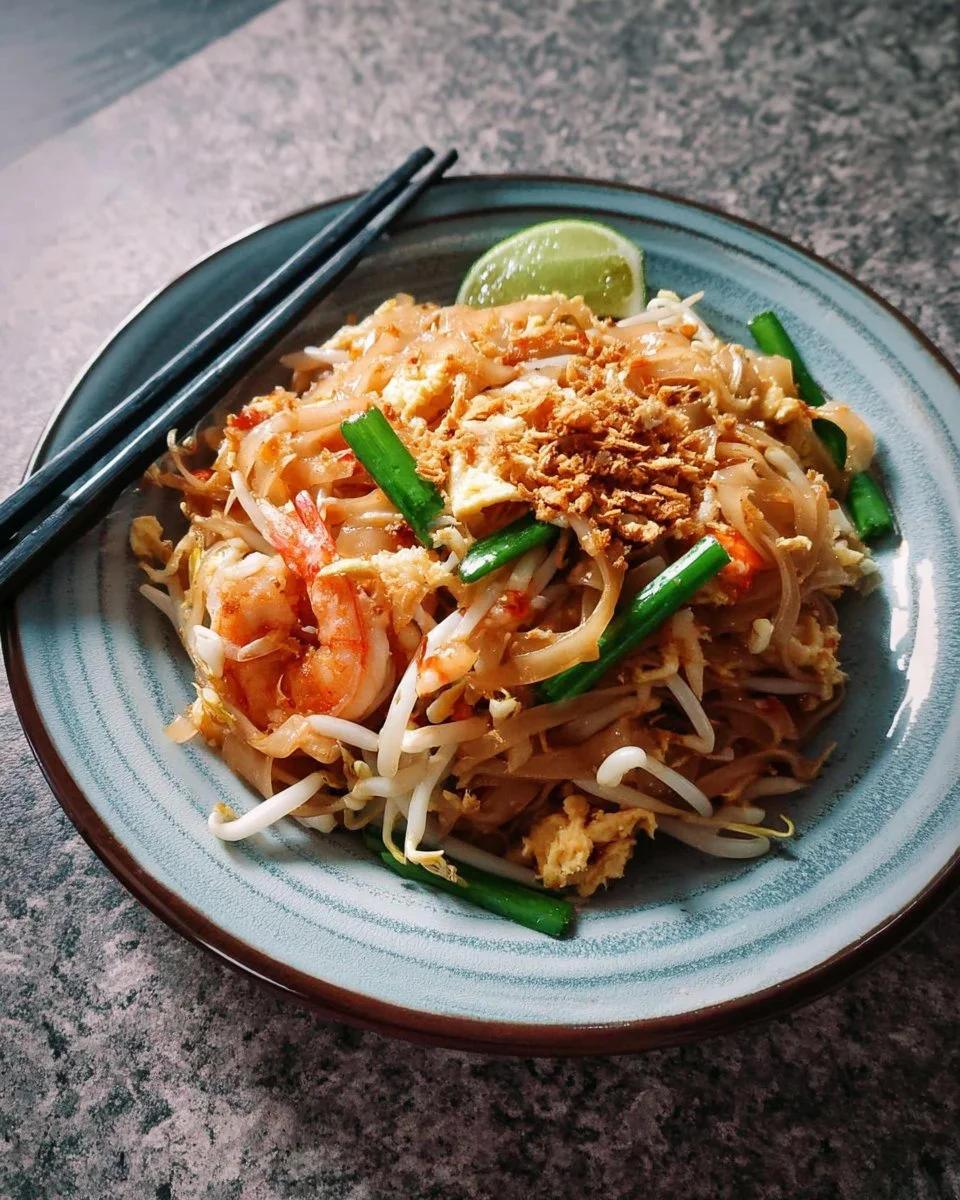
Conclusion
By crafting this Homemade Pad Thai Sauce, you’ve not only learned how to make a delightful dish but also preserved memories and emotions that make cooking such a cherished activity. I encourage you to give this recipe a try, and I can’t wait to hear your thoughts—did it transport you back to your favorite food moments?
Feel free to drop a comment or share your version of this sauce. And don’t forget to check out my related recipes on the blog—there are more delicious ways to explore Thai flavors that you won’t want to miss!
Happy cooking!
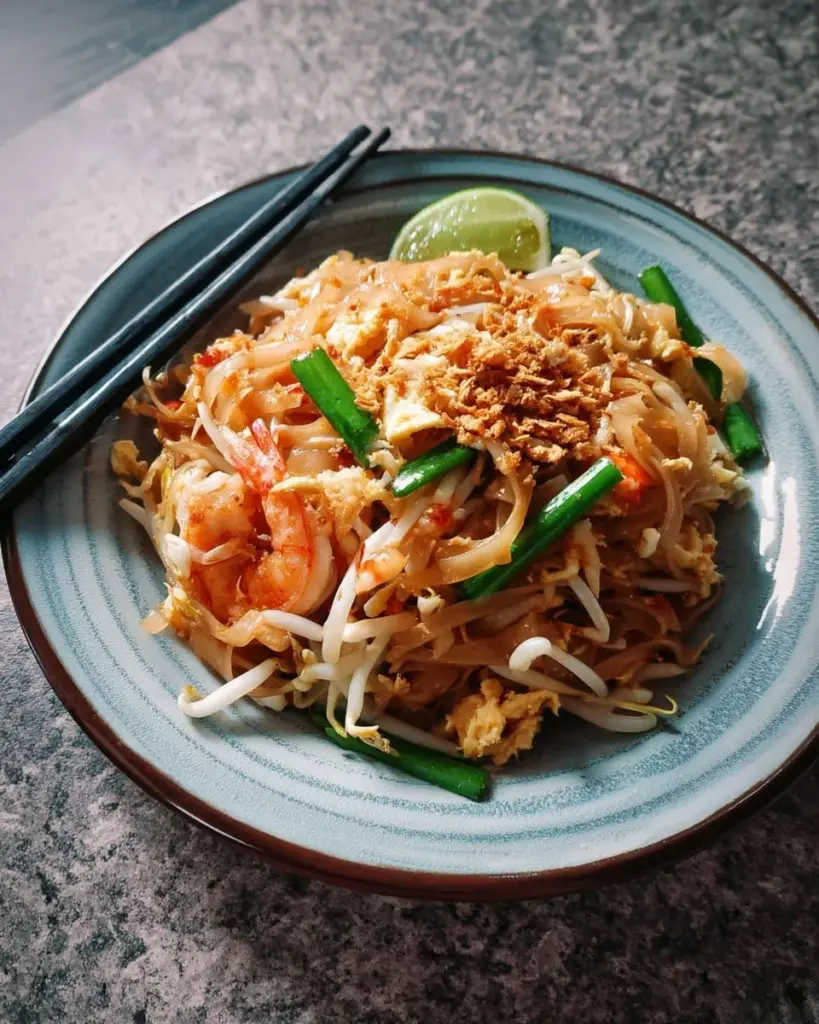
Homemade Pad Thai Sauce
Ingredients
Method
- In a medium-sized pot, heat the oil over medium-high heat until shimmering.
- Add the chopped garlic and shallots; sauté until soft and translucent, about 5-8 minutes.
- Remove from the pot and set aside.
- Return the pot to medium heat and add the palm sugar. Let it cook until melted, stirring occasionally.
- Turn off the heat, then carefully add the tamarind paste, stirring until combined.
- Turn the heat back to low, gradually add the fish sauce while stirring, then mix in the sautéed garlic and shallots.
- If desired, stir in chili flakes to taste. Allow the sauce to cool before measuring.
- Pour the sauce into a measuring cup and divide the total volume by 8 for serving size.
- Remember to add 1 1/2 tablespoons of water when cooking Pad Thai for each serving!