Delectable Juicy Umami Dumplings: Your Guide to Authentic Comfort Food
I still remember the first time I tasted the incredible Juicy Umami Dumplings my grandmother made. It was a rainy Saturday afternoon, the kind of day that wraps you in a cozy blanket of nostalgia. The kitchen was warm, filled with the tantalizing scents of garlic and ginger wafting through the air, igniting memories of family gatherings. Each bite of her dumplings felt like a warm hug, a burst of flavor that left me craving more. What sets these dumplings apart is their harmonious balance of savory filling and tender wrappers—no store-bought imitation can compare.
This recipe is not just about making dumplings; it’s about crafting memories that will linger long after your meal is over. I promise that you’ll learn how to create irresistibly juicy dumplings that pack a punch of umami flavor, keeping your loved ones coming back for seconds. So, roll up your sleeves and embrace this culinary adventure with me. Let’s bring a touch of that family warmth back into our kitchens!
What Are Juicy Umami Dumplings?
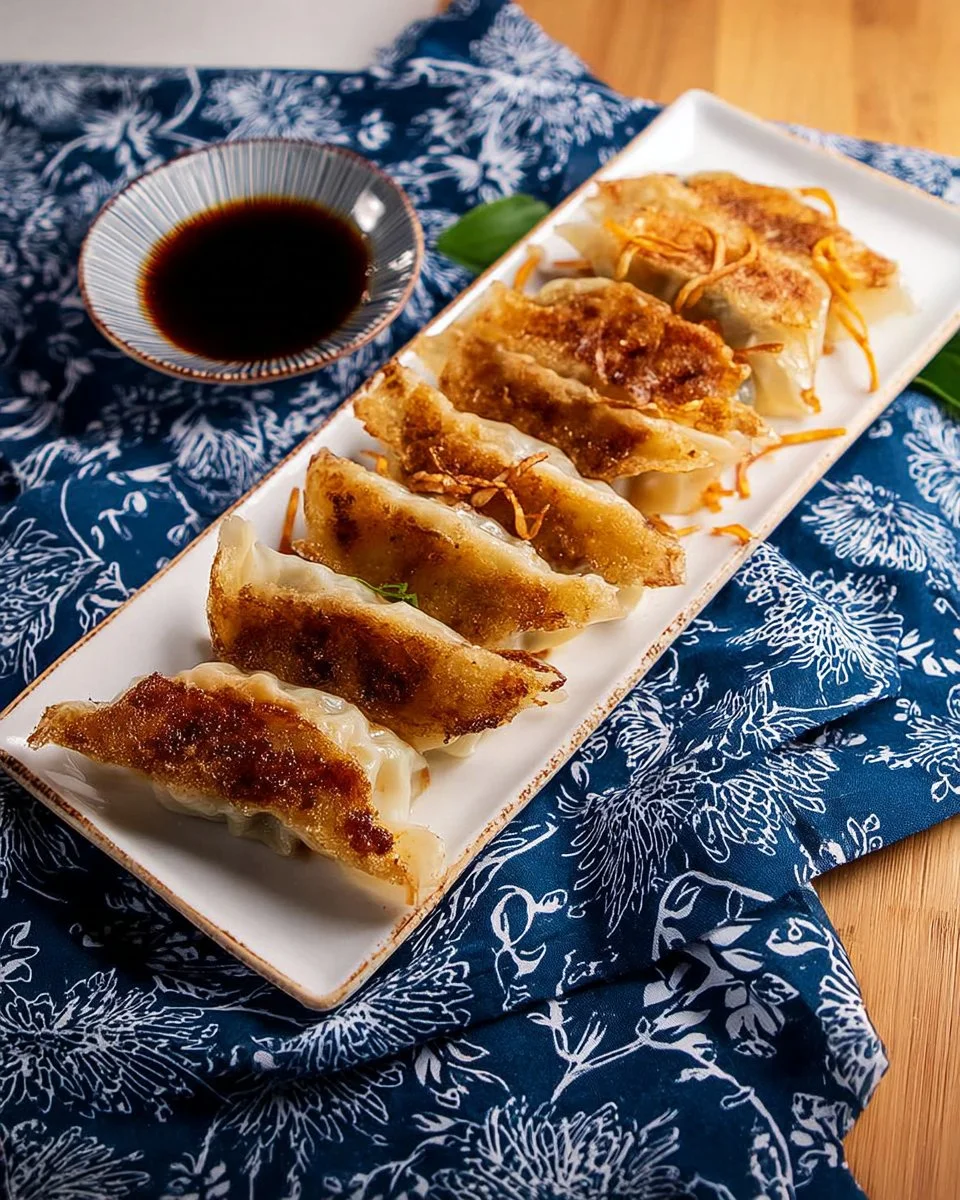
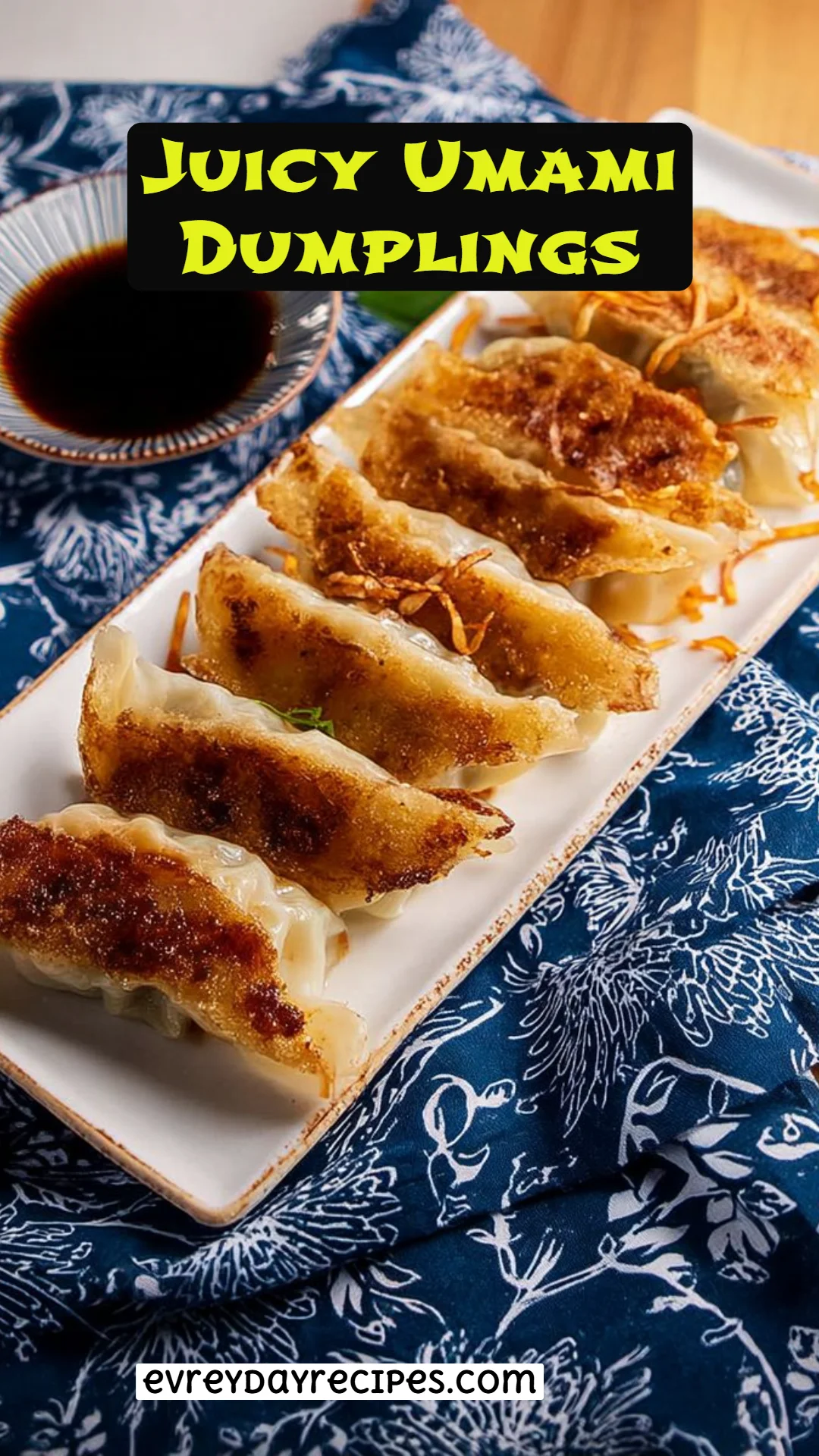
Originating in East Asia, dumplings are a beloved comfort food that varies widely across cultures. The Juicy Umami Dumplings have their roots steeped in tradition, resembling Chinese jiaozi with a taste all their own. Imagine biting into a perfectly pleated dumpling, where the tender wrapper meets a juicy filling made of ground pork, napa cabbage, and a symphony of flavorful seasonings.
What truly makes these dumplings unique is the use of high-quality, fresh ingredients and the tender yet chewy texture of the wrappers that cradle the savory filling. These dumplings are not only perfect for a cozy family dinner but also shine at parties and gatherings, bringing people together around the table. Whether it’s a rainy day, a holiday celebration, or just an ordinary weeknight, these dumplings are sure to create a special moment.
Why You’ll Love This Recipe
Authenticity in Every Bite: Unlike store-bought dumplings, which can lack that homemade touch, these Juicy Umami Dumplings are bursting with zingy flavors and textures that only come from fresh ingredients.
Budget-Friendly: Preparing dumplings from scratch not only feels rewarding but also saves you money. You’ll be amazed at how affordable the ingredients are, especially when you make a large batch to share with friends and family.
Customizable: Want to swap out pork for chicken or make it vegetarian? Feel free to experiment with the filling to suit your taste or dietary needs. You can even spice them up with hot chili oil or zest for added flair!
Simpler Than You Think: Many shy away from making dumplings due to the perceived difficulty, but I assure you they’re much easier than they look. This recipe is straightforward and enjoyable, with clear steps to guide you along the way.
Quality Time in the Kitchen: Making dumplings can be a delightful bonding experience. Whether you’re hosting a family dumpling-making night or involving your kids, everyone will have a blast folding and stuffing these delicious morsels together!
Ingredients
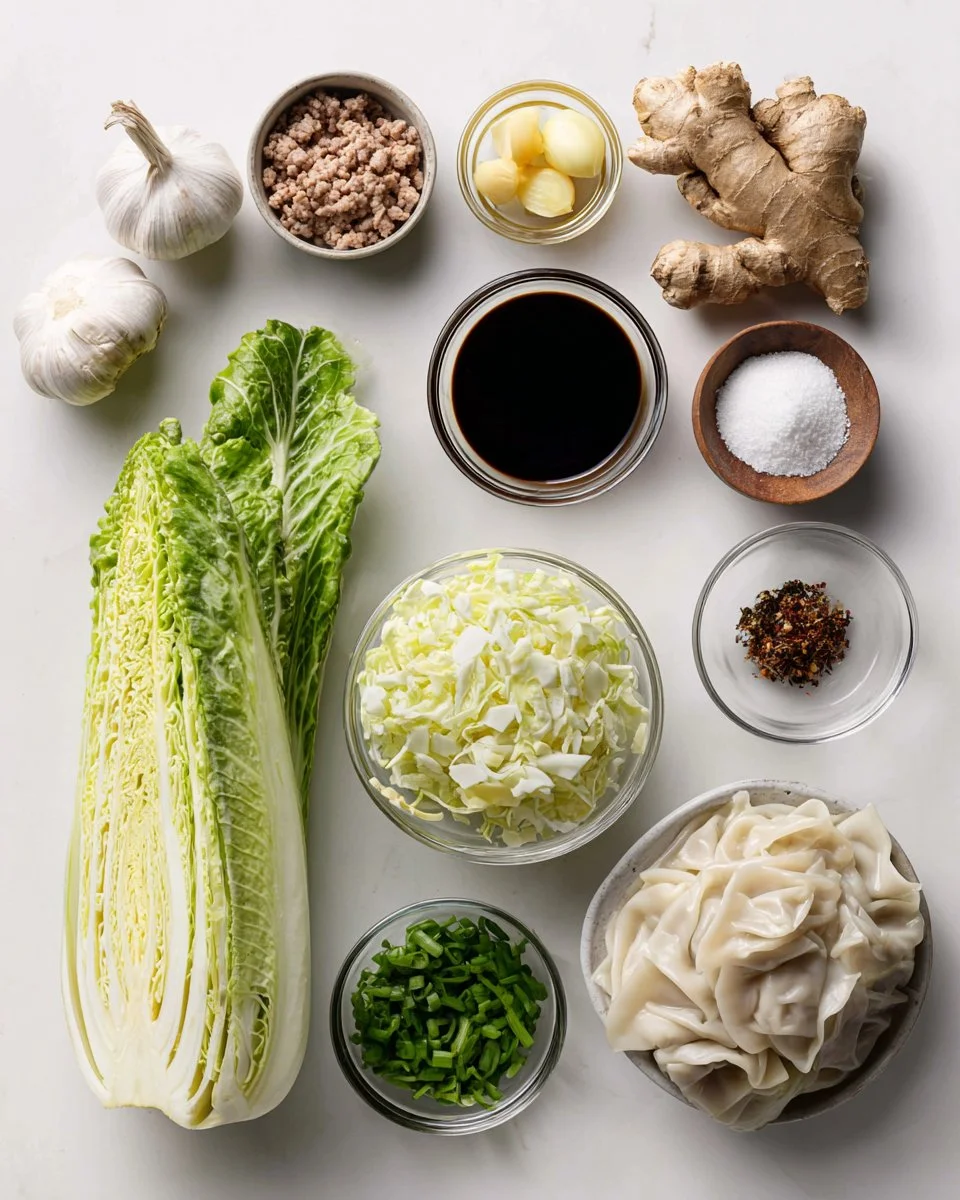
To craft your Juicy Umami Dumplings, gather the following ingredients:
- 1 tsp white peppercorns (for that distinct bite)
- 4 cloves garlic, chopped (fresh is best for maximum flavor)
- 2 tablespoons chopped ginger (1-inch piece, adds warmth)
- 250g napa cabbage (about 3.5 cups chopped, the star of the filling)
- 1/2 tsp table salt (to enhance the flavors)
- 1 lb (450g) ground pork (preferably not lean, for juiciness)
- 1 tsp toasted sesame oil (for depth)
- 1 1/2 Tbsp soy sauce (adds umami richness)
- 1 1/2 tsp dashi powder (optional, for authentic flavor)
- 2 tsp sugar (to balance out savory notes)
- 1 Tbsp tapioca starch or cornstarch (for binding)
- 1/2 cup chopped garlic chives or 3 finely chopped green onions (for freshness)
- 1 package dumpling wrappers (40-50 pieces)
Notes on Ingredients:
Quality Matters: Starting with fresh, high-quality ingredients will make a world of difference in taste. If you can find them, opt for homemade dumpling wrappers or reputable brands like Nasoya.
Prep Notes: Make sure to let the ground pork sit at room temperature for about 20 minutes before using to ensure it mixes well with the other ingredients.
Step-by-Step Instructions
Separate and Chop Cabbage: Begin by separating the white and green parts of the napa cabbage leaves. Finely dice the white stems and chop the leaves, keeping them separate.
Create the Garlic-Ginger Paste: In a mortar and pestle, pound the white peppercorns until fine. Add the chopped garlic and ginger, and pound everything into a smooth paste.
Sauté Aromatics: Heat 1 tablespoon of oil in a wok or large skillet over medium heat. Add the garlic-ginger paste and sauté until aromatic, about 2 minutes.
Cook Cabbage Stems: Add the chopped napa cabbage stems to the pan, increase heat to medium-high, sprinkle with 1/4 teaspoon of salt, and cook until soft and translucent, about 4-5 minutes.
Add Cabbage Leaves: Toss in the chopped cabbage leaves and cook for another 2-3 minutes until wilted. Remove from heat and spread the mixture on a plate to cool.
Make the Filling: While the cabbage cools, combine the ground pork, remaining salt, soy sauce, dashi powder (if using), sesame oil, tapioca starch, and sugar in a mixing bowl. Knead until smooth and pasty, about 5 minutes.
Mix in Cabbage and Chives: Gently fold in the cooled cabbage and garlic chives until evenly distributed.
Taste Test: Don’t forget to taste a bit of the filling to adjust seasoning if necessary.
Wrap the Dumplings: Scoop about 1 1/2 tablespoons of filling onto a dumpling wrapper. Fold as desired, ensuring there are no air pockets; sealing is key!
Freeze if Needed: If you’re not cooking them immediately, arrange the wrapped dumplings on a baking sheet and freeze until firm, then transfer to a freezer bag for longer storage.
Make Dipping Sauce: In a small bowl, mix rice vinegar, soy sauce, and optional sugar and chili oil for that perfect dip.
Cook the Dumplings: Heat a nonstick skillet and add a little oil. Place the dumplings in the pan and fry for about 3-5 minutes until they’re golden brown.
Steam the Dumplings: Lower the heat, add 1/4 cup of water, cover with a lid, and steam the dumplings for 3-5 minutes (up to 5 minutes if frozen) until cooked through. Aim for an internal temp of 160°F.
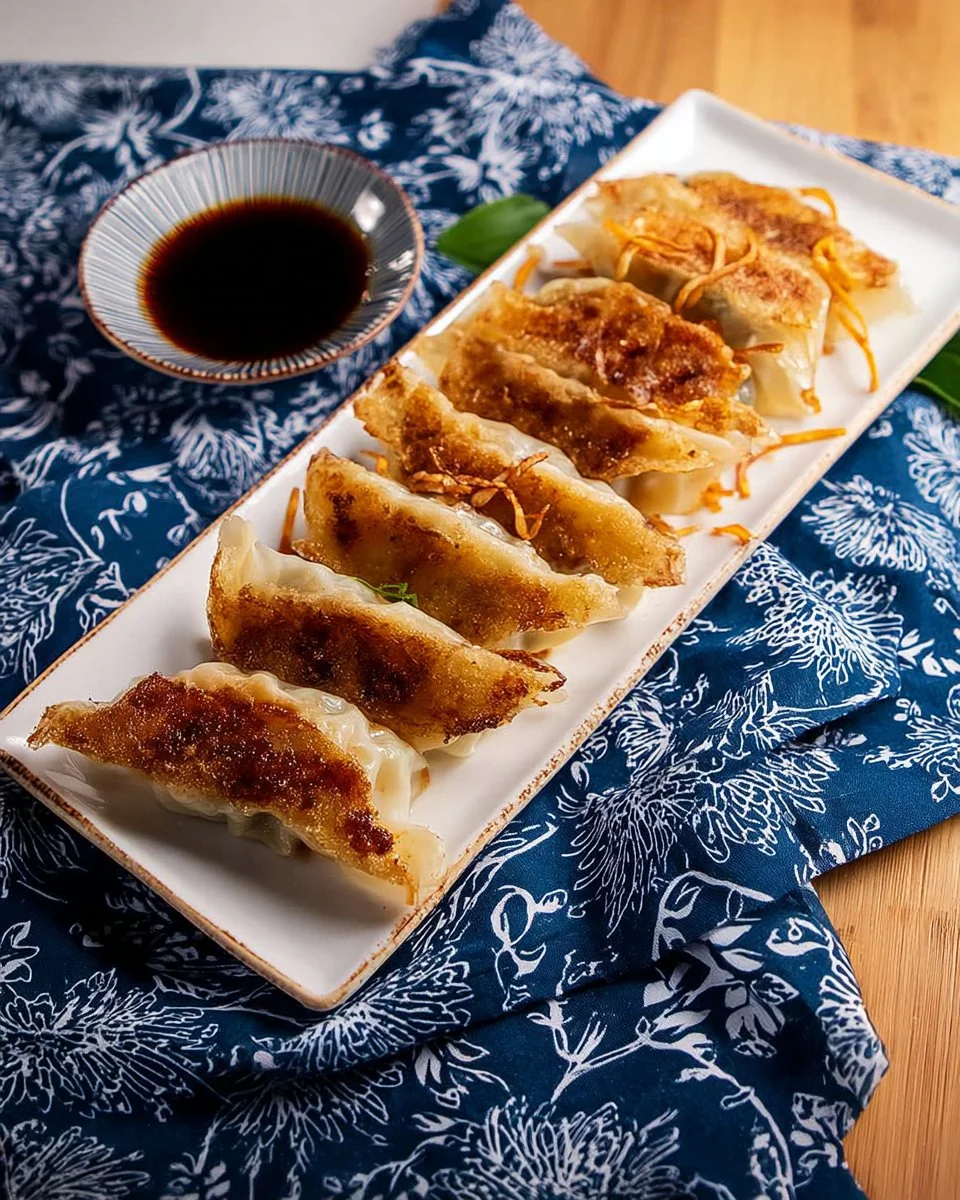
Serve: Flip the dumplings onto a plate or leave them crispy side up for presentation.
Chef’s Tips:
- Timing: Keep an eye on the dumplings while frying; they can burn quickly.
- Common Mistake: Ensure the wrappers are wet enough for sealing; this helps avoid them opening during cooking.
Expert Tips & Tricks
Storage Recommendations: Leftover uncooked dumplings can be frozen for up to three months. Cooked dumplings can be refrigerated for 2-3 days but are best enjoyed fresh.
Make-Ahead Instructions: You can prepare the filling a day ahead and store it in the fridge. Simply wrap the dumplings when you’re ready to cook!
Troubleshooting Texture: If the filling is too juicy, add a bit more tapioca starch to bind it better.
Dumpling Folding Techniques: Check out online videos for different styles of folding if you want to make your dumplings look extra appealing!
Other Uses for Leftover Wrappers: If you have extra dumpling wrappers, consider making potstickers or wontons that can be stuffed with anything from cheese to vegetables.
Serving Suggestions
Pair your flavorful Juicy Umami Dumplings with a side of steamed greens drizzled in sesame oil, or try a refreshing cucumber salad to balance the richness. For an eye-catching presentation, serve on a rustic wooden platter or a colorful Chinese-style dish. These dumplings shine at gatherings, so don’t hesitate to break them out during your next potluck or family dinner!
Variations & Substitutions
Explore new flavors by getting creative with your filling. Try mixing in shrimp, chicken, or even tofu for a vegetarian option. For spice lovers, add chili paste or fresh herbs like cilantro. You might also consider seasonal variations—pumpkin or sweet potato can make delightful fillings in the fall, while peak summer veggies like corn or zucchini could bring a fresh twist!
Nutrition & Storage Info
- Prep Time: 25 minutes
- Cook Time: 20 minutes
- Total Time: 45 minutes
- Yield: Approximately 40-50 dumplings (serves 4-6)
- Estimated Calories: 150 calories per dumpling
Storage Instructions:
- Raw dumplings: Freeze for up to 3 months.
- Cooked dumplings: Refrigerate for 2-3 days.
FAQ Section
Can I use other meats in my dumplings?
Absolutely! Chicken, beef, and even fish work well as alternative proteins.How do I prevent dumpling wrappers from sticking together?
Lightly dust your dumpling wrappers with cornstarch or flour as you’re assembling them.Can I pan-fry and steam the dumplings?
Yes! That’s called the "potsticker" method and gives a delightful crispy bottom with tender, steamed tops.Is it necessary to use dashi powder?
While it adds a nice umami depth, you can skip it if you prefer—a combination of soy sauce and sesame oil should suffice.What’s the best way to serve dipping sauce?
Consider serving it in small bowls or ramekins for easy dipping.How do I know when dumplings are cooked through?
Check for an internal temperature of 160°F with a meat thermometer.Can I use gluten-free wrappers?
Yes! Many stores now carry gluten-free dumpling wrappers; just remember they might cook a little differently.What if my dumplings are falling apart while cooking?
Ensure the seals are tight and avoid overfilling your wrappers.Can I make these dumplings vegan?
Yes! Substitute the pork with a mix of mushrooms, tofu, and more vegetables.How can I make it spicier?
Incorporate chili paste or fresh jalapeños into your filling for a spicy kick!
Conclusion
These Juicy Umami Dumplings are a culinary hug, a dish that brings together flavor, family, and unforgettable memories in each bite. They stand out not just for their savory profile but for the love and effort that goes into making them. I encourage you to try making your own batch, and I would love to hear your feedback on how they turn out! If you’re intrigued by more comforting classics, be sure to check out my other recipes on the blog. Let’s keep this delicious tradition alive together!
Juicy Umami Dumplings
Ingredients
Method
- Separate the white and green parts of the napa cabbage leaves. Finely dice the white stems and chop the leaves, keeping them separate.
- In a mortar and pestle, pound the white peppercorns until fine. Add the chopped garlic and ginger, and pound everything into a smooth paste.
- Heat 1 tablespoon of oil in a wok or large skillet over medium heat. Add the garlic-ginger paste and sauté until aromatic, about 2 minutes.
- Add the chopped napa cabbage stems to the pan, increase heat to medium-high, sprinkle with 1/4 teaspoon of salt, and cook until soft and translucent, about 4-5 minutes.
- Toss in the chopped cabbage leaves and cook for another 2-3 minutes until wilted. Remove from heat and spread the mixture on a plate to cool.
- While the cabbage cools, combine the ground pork, remaining salt, soy sauce, dashi powder (if using), sesame oil, tapioca starch, and sugar in a mixing bowl. Knead until smooth and pasty, about 5 minutes.
- Gently fold in the cooled cabbage and garlic chives until evenly distributed.
- Taste a bit of the filling to adjust seasoning if necessary.
- Scoop about 1 1/2 tablespoons of filling onto a dumpling wrapper. Fold as desired, ensuring there are no air pockets; sealing is key!
- If not cooking immediately, arrange the wrapped dumplings on a baking sheet and freeze until firm, then transfer to a freezer bag for longer storage.
- In a small bowl, mix rice vinegar, soy sauce, and optional sugar and chili oil for dipping sauce.
- Heat a nonstick skillet and add a little oil. Place the dumplings in the pan and fry for about 3-5 minutes until they’re golden brown.
- Lower the heat, add 1/4 cup of water, cover with a lid, and steam the dumplings for 3-5 minutes (up to 5 minutes if frozen) until cooked through, aiming for an internal temp of 160°F.
- Serve by flipping the dumplings onto a plate or leaving them crispy side up for presentation.