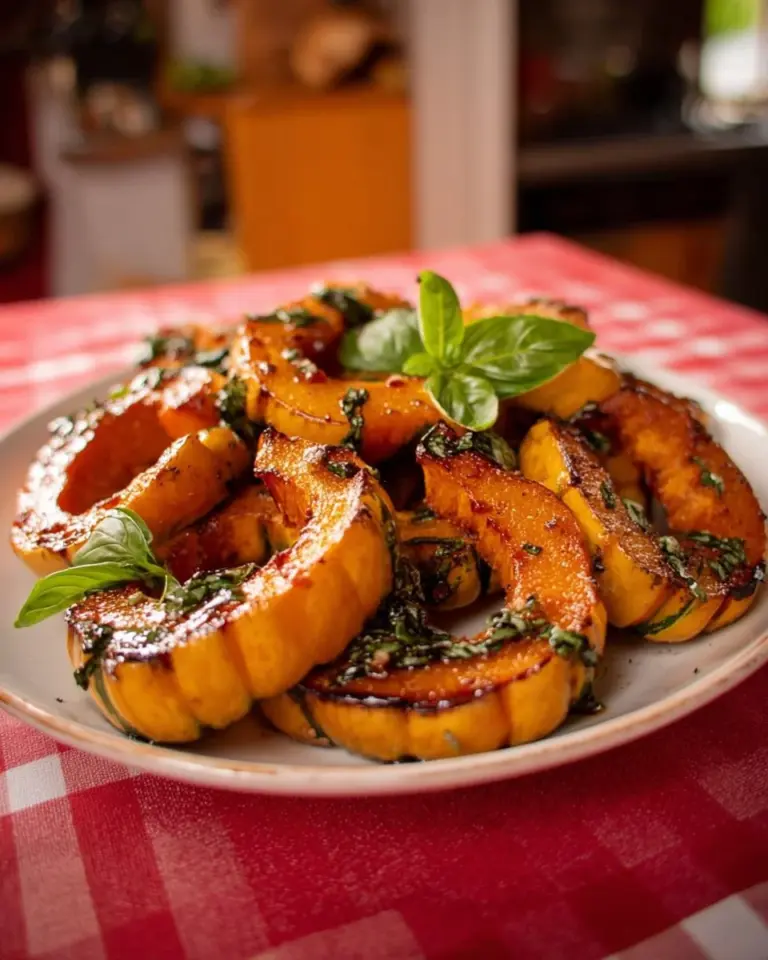
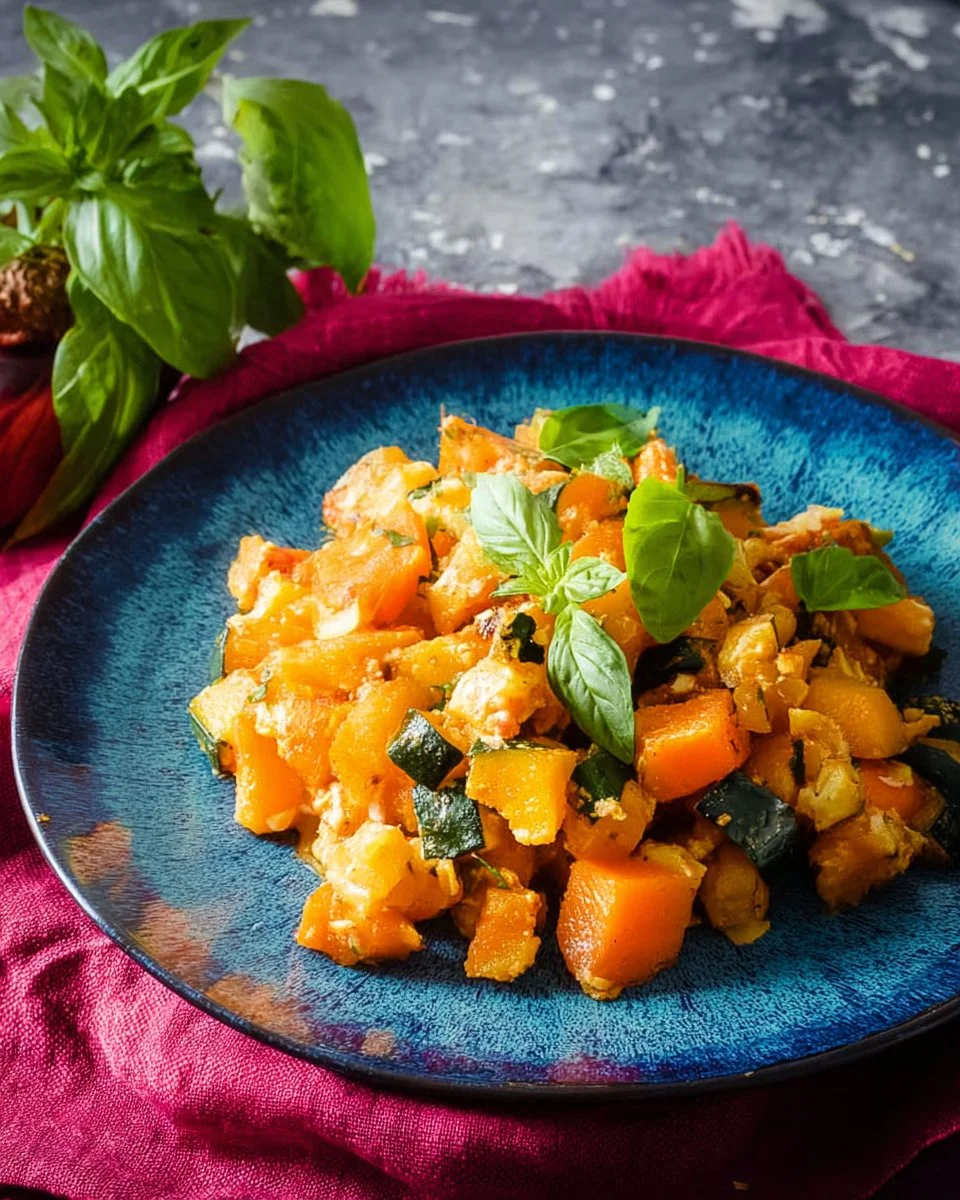
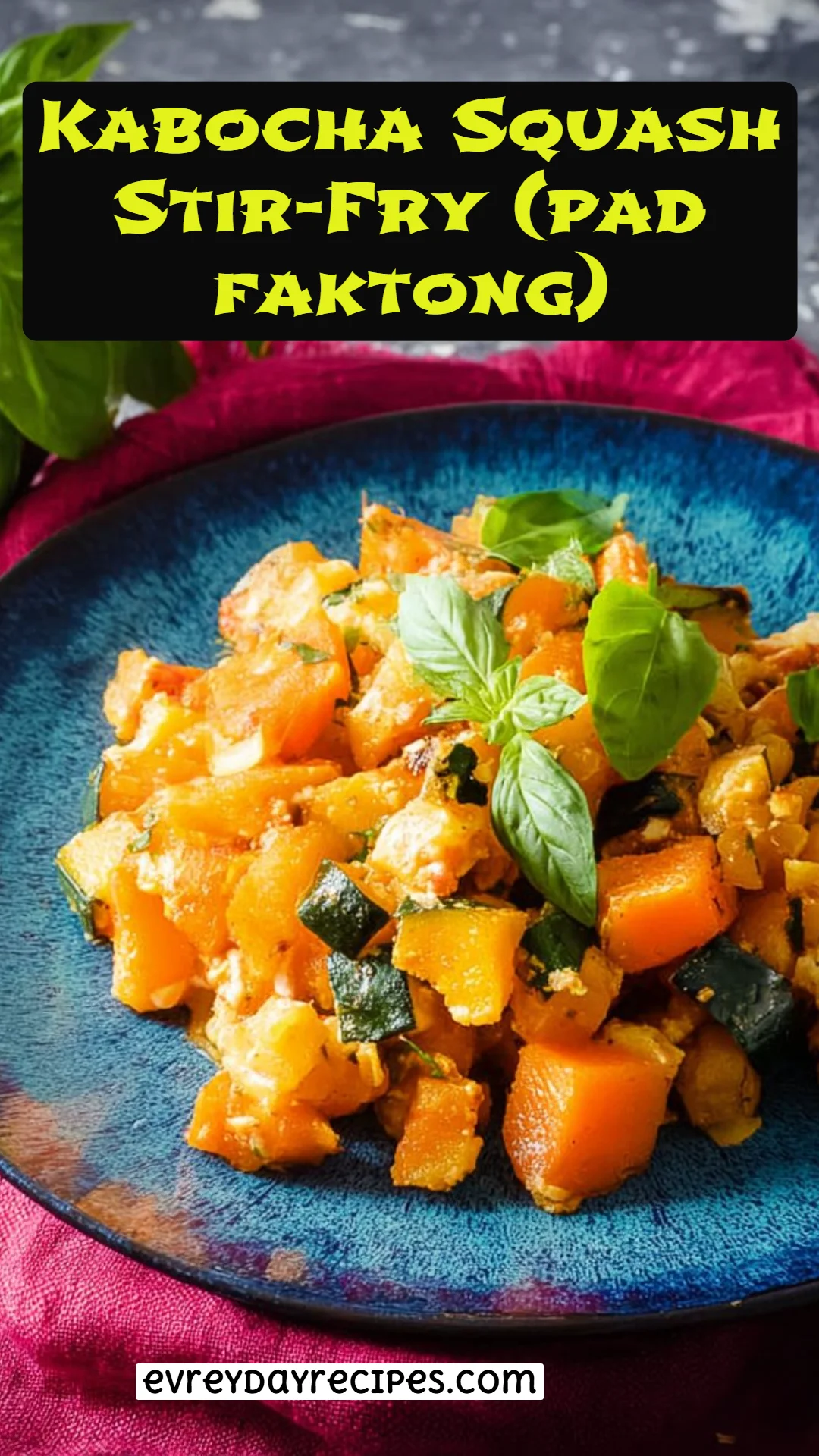
Irresistible Kabocha Squash Stir-Fry (Pad Faktong): Your New Go-To Comfort Dish!
There’s something magical about a dish that not only delights the senses but also brings back treasured memories. I remember the first time I tried Kabocha Squash Stir-Fry, or pad faktong, during a cozy Thai dinner at my aunt’s house. The aroma of garlic wafting through the air infused with the sweet, earthy scent of the kabocha squash was nothing short of enchanting. As soon as I took my first bite, I was transported back to my childhood, feeling the warmth of family and the joy of togetherness.
This Kabocha Squash Stir-Fry is special because it masterfully balances flavors and textures — the creaminess of the squash paired with the aromatic Thai basil and perfectly scrambled eggs creates a harmony that other stir-fries just can’t replicate. Unlike takeout versions that often seem greasy and heavy, this recipe brings a lightness and home-cooked comfort that will leave you reminiscing about those joyful dinners.
Get ready to learn how to prepare this gem at home! I’ll guide you step-by-step through making the perfect Kabocha Squash Stir-Fry that will not only impress your family but also become a beloved staple in your kitchen.
What Are Kabocha Squash Stir-Fry (Pad Faktong)?
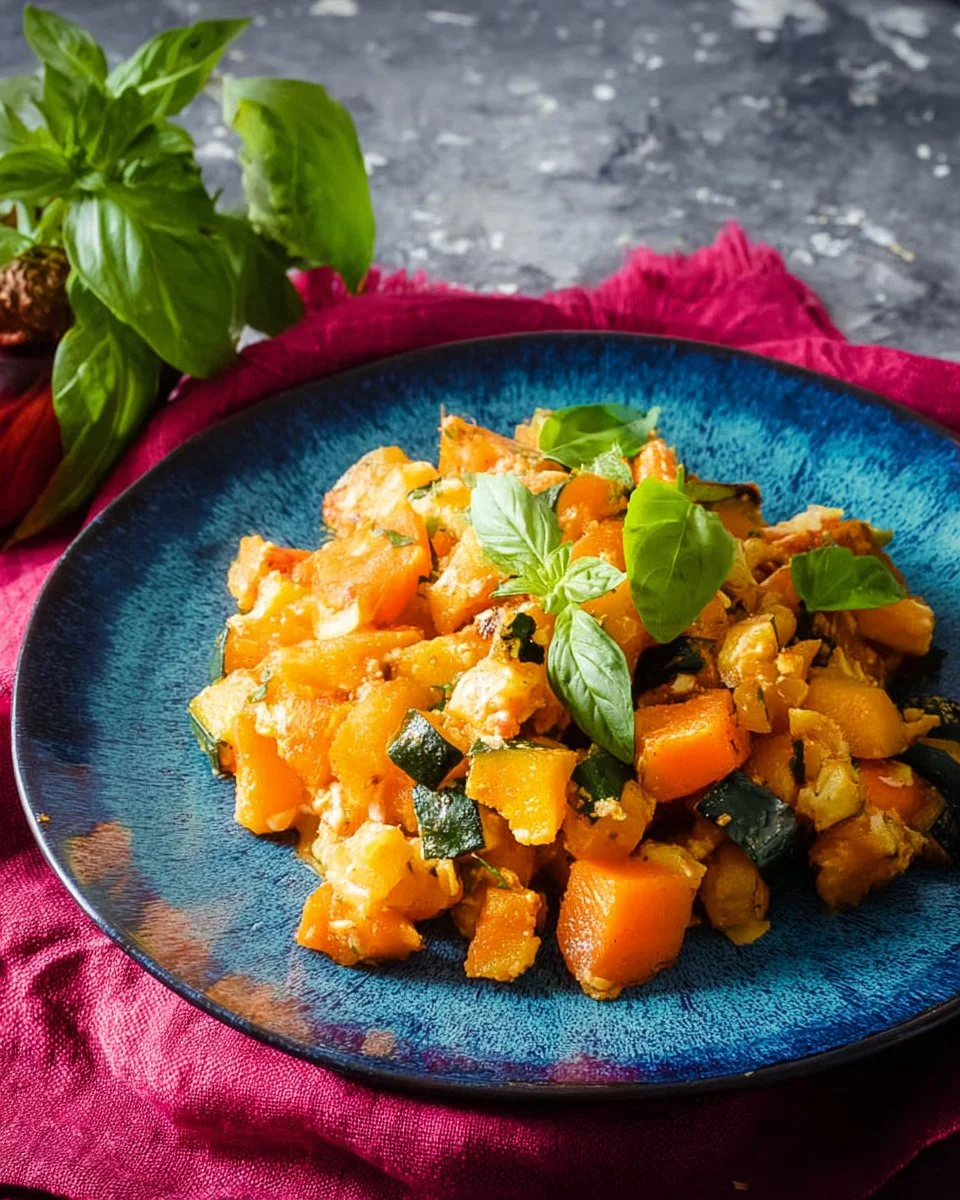
Kabocha Squash Stir-Fry, or pad faktong, hails from the heart of Thailand, where it’s cherished for its vibrant flavor profile and satisfying texture. Known for its deep green skin and bright orange flesh, kabocha squash offers a sweet, nutty taste that’s both comforting and delightful. When sautéed to perfection, the squash has an almost buttery texture that melts in your mouth, making it a standout ingredient in stir-fries.
What makes kabocha squash unique is its ability to absorb bold flavors while maintaining its structure — it’s not mushy when cooked properly! This stir-fry is perfect for weeknight dinners; you can whip it up in under 30 minutes. As the squash cooks, it absorbs all the rich, savory notes of the garlic and the umami punch from the sauces, creating a dish that’s simply irresistible.
Why You’ll Love This Recipe
Simplicity Meets Flavor: This Kabocha Squash Stir-Fry is incredibly straightforward to make—ideal for anyone, whether you’re a novice in the kitchen or a seasoned pro! The combination of simple ingredients results in an explosion of flavor without overwhelming you with complicated steps.
Fresh and Wholesome: Unlike many restaurant versions that skimp on freshness, this recipe allows you to embrace vibrant, in-season ingredients. You control everything that goes into it, and trust me, the difference in taste is monumental.
Budget-Friendly: Preparing this dish at home is a wise decision for your wallet too. Kabocha squash is generally inexpensive and readily available, meaning you can whip up a gourmet meal without breaking the bank.
Customizable Galore: Whether you’re vegan, vegetarian or a meat-lover, this stir-fry accommodates all diets. Swap in your favorite protein, like chicken or tofu, or keep it plant-based while adjusting sauces to fit your taste.
Minimal Time Investment: With a total time of around 30 minutes from prep to plate, this dish meets the demands of busy weeknights without sacrificing taste or quality.
So, why not give this easy Kabocha Squash Stir-Fry a try? I promise it’ll quickly become a family favorite!
Ingredients
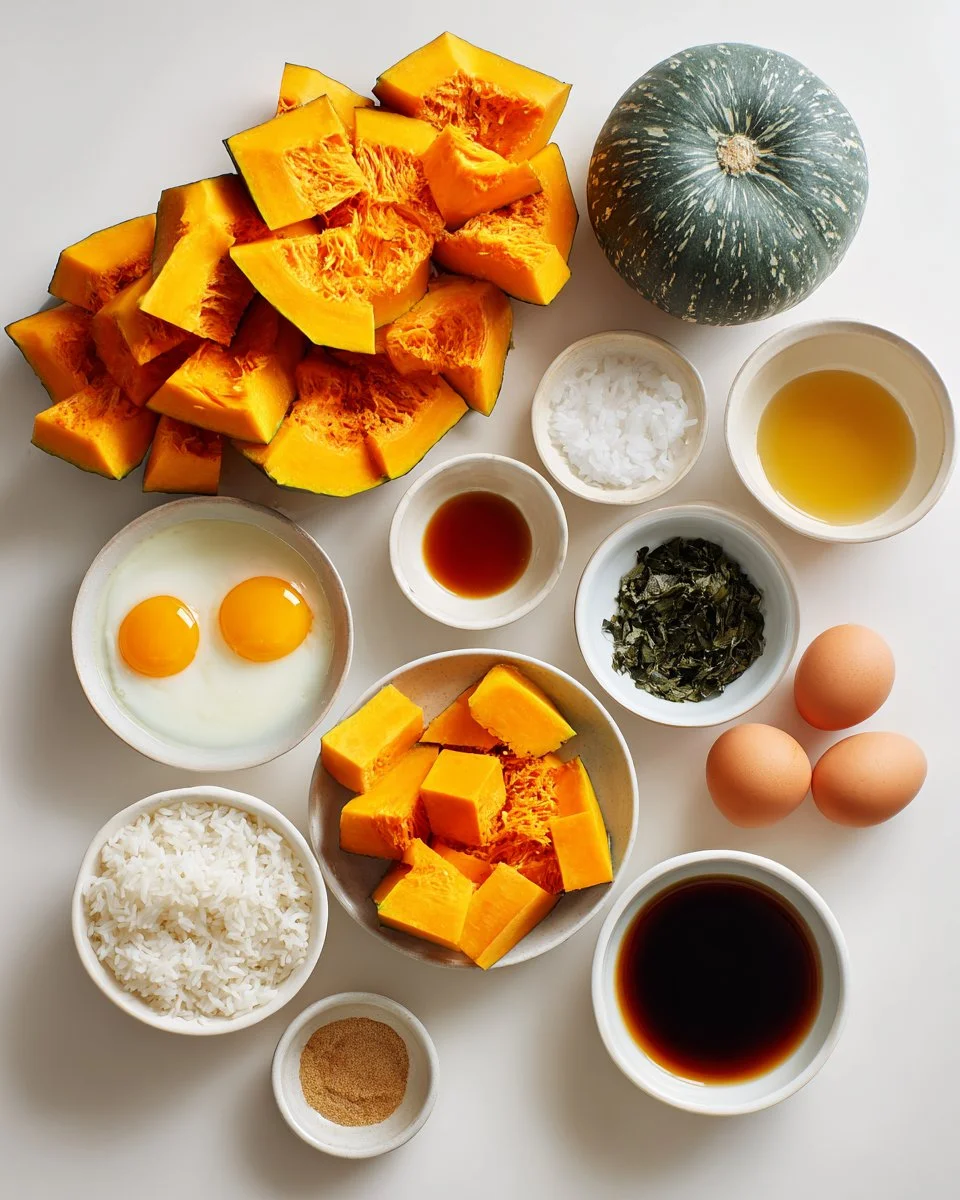
Here’s a breakdown of what you’ll need for this delectable Kabocha Squash Stir-Fry:
- 500 g kabocha squash: Look for squash that feels heavy for its size, and has smooth, unblemished skin. Cut into 1-inch wedges and then sliced into 1/4-inch thick pieces.
- 2 tablespoons neutral oil: I recommend using grapeseed or canola oil for their high smoke points.
- 5 cloves garlic, roughly chopped: Fresh garlic will add a lovely fragrance and taste; please avoid bottled for this dish.
- 3 eggs: Use room temperature eggs for optimal fluffiness.
- 1 heaping cup Thai basil: This is a game-changer! For a larger hint of sweetness, Thai basil is perfect.
- Jasmine rice: A traditional accompaniment that soaks up all those savory juices.
Optional Condiment: drizzle with prik nam pla for an added kick.
Non-Vegetarian Sauce Ingredients:
- 1 1/2 tablespoons oyster sauce
- 1 tablespoon soy sauce
- 1 1/2 teaspoons fish sauce
- 1 1/2 teaspoons sugar
- 1/4 teaspoon ground white or black pepper
- 1/4 cup water
Vegetarian Sauce Ingredients:
- 2 tablespoons soy sauce
- 2 teaspoons Golden Mountain sauce or Maggi Seasoning
- 1 1/2 teaspoons sugar
- 1/4 teaspoon ground white or black pepper
- 1/4 cup water
Ingredient Quality Notes: Always opt for fresh, high-quality ingredients to enhance the overall dish, especially the kabocha squash, which is the star of the show!
Step-by-Step Instructions
Create the Sauce: In a small bowl, combine the sauce ingredients. For the non-veg version, mix the oyster sauce, soy sauce, fish sauce, sugar, pepper, and water. For the vegetarian version, blend soy sauce, Golden Mountain sauce, sugar, pepper, and water. Stir until the sugar completely dissolves.
Sauté the Garlic: Heat the neutral oil in a large wok or skillet over medium heat. Add the chopped garlic and stir until it turns golden and fragrant — this should take about 1-2 minutes. Be mindful not to burn it!
Cook the Kabocha Squash: Add the squash to the wok, tossing quickly to coat it in oil. Pour in your prepared sauce and toss to combine; cover and let it cook over medium heat for about 4 minutes. Stir once halfway through. Check for doneness by poking a piece with a fork; it should be tender but not mushy. If the pan seems to dry, add a splash of water.
Scramble the Eggs: Once the squash is cooked through, create a space in the center of the wok. Crack the eggs in this area and scramble them gently, just breaking the yolks. Once mixed, push some squash on top of the eggs to help them set—this should take about 1-2 minutes.
Combine and Finish: When the eggs are about 75% cooked, gently mix them with the squash until everything is beautifully incorporated. This should take about 1 minute.
Add Thai Basil: Turn off the heat and stir in the Thai basil until it wilts — this will add a burst of flavor and color.
Serve: Dish up generous servings with fluffy jasmine rice on the side, and if you’re feeling adventurous, drizzle over some prik nam pla for an extra zing!
Chief’s Tips:
- Ensure you don’t overcook the eggs; they should be soft and light.
- For a smoky flavor, consider adding a few drops of sesame oil just before serving.
Common Mistakes to Avoid: Don’t rush the garlic; let it bubble gently until it’s golden, or it will taste bitter.
Expert Tips & Tricks
Storing Leftovers: Store any leftovers in an airtight container in the fridge for up to 3 days. To reheat, simply stir-fry briefly in a pan or microwave, adding a bit of water if it seems dry.
Make Ahead: You can slice and prep the kabocha squash a day in advance. Just keep it in an airtight bag in the refrigerator.
Troubleshooting: If your stir-fry looks a bit too dry while cooking, don’t hesitate to add water gradually. It’s essential to keep the squash from burning.
Meal Prep: This dish is perfect for meal prep; it can be easily divided into containers for the week, providing a quick, healthy warm-up option.
Flavor Boosters: Feel free to add other flavor enhancers like chili paste, sesame oil, or even crushed peanuts for added texture!
Serving Suggestions
To elevate your dining experience, serve your Kabocha Squash Stir-Fry alongside a fresh cucumber salad for a refreshing crunch, or pair it with grilled shrimp or chicken for added protein. For a fun presentation, twist the rice into a compact mound using a small bowl before plating. This dish is perfect for casual family dinners or impressive gatherings with friends as a delightful main event.
Variations & Substitutions
Different Flavor Combinations: Enhance the dish with additional vegetables like bell peppers or snap peas, or throw in some spicy red pepper flakes for an extra kick!
Dietary Restrictions: For gluten-free options, ensure you’re using gluten-free soy sauce. It’s easy to adapt this recipe for various dietary preferences; just swap out proteins as necessary.
Seasonal Variations: As seasons change, incorporate other veggies like zucchini or carrots, embracing the flavors that each season brings to your kitchen.
Nutrition & Storage Info
- Prep Time: 10 minutes
- Cook Time: 15 minutes
- Total Time: 25 minutes
- Yield: 4 servings
- Estimated Calories per Serving: Approximately 320 calories
- Storage Instructions: Keep in the fridge for up to 3 days or freeze for up to 1 month (though rice may lose texture).
FAQ Section
Can I use other types of squash?
Absolutely! While kabocha squash is ideal, you can also try butternut or acorn squash; just adjust the cooking time as needed.Is this dish spicy?
Not at all! But you can increase the heat by adding chili flakes or fresh chili peppers if you prefer a spicy kick.Can I make this dish vegan?
Yes! Simply skip the eggs and replace the oyster sauce with more soy sauce or a vegan stir-fry sauce.What should I serve with it?
Jasmine rice complements the stir-fry beautifully, but feel free to pair it with any grain of your choice, like quinoa or brown rice.Can I use frozen kabocha squash?
While fresh is best for texture and flavor, frozen squash can work. Just adjust cooking time accordingly and ensure it’s thawed before cooking.Can I meal prep this?
Definitely! This stir-fry stores well for meal prep, making it a fantastic option for easy lunches or dinners throughout the week.What brands do you recommend for sauces?
For soy sauce, I love Kikkoman, and for oyster sauce, the Lee Kum Kee brand is a favorite.How can I make this dish gluten-free?
Use gluten-free soy sauce, and check all sauces for gluten-free certification; many brands do offer this option now.What’s the best way to reheat leftovers?
The best way is to stir-fry in a pan briefly or heat in a microwave for a quick warm-up while keeping moisture intact.Can I add protein to this dish?
Absolutely! Feel free to mix in grilled chicken, shrimp, or tofu to make this stir-fry a well-rounded meal.
Conclusion
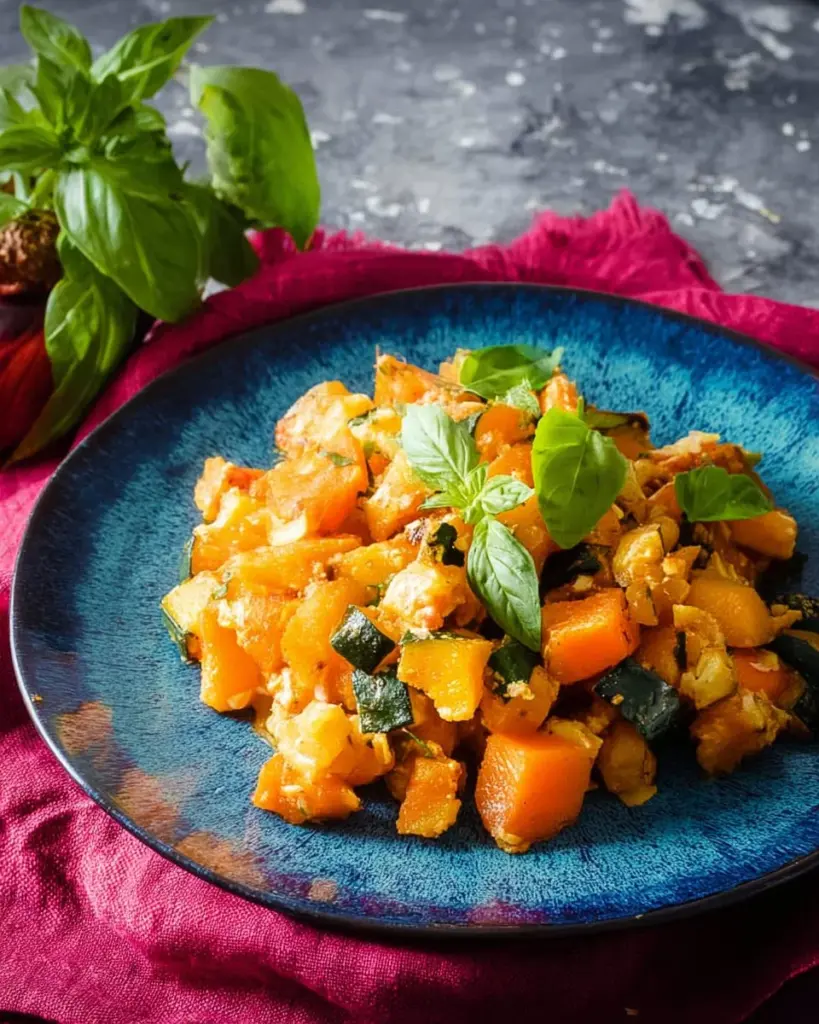
This Kabocha Squash Stir-Fry (pad faktong) truly holds a special place in my heart, being a perfect blend of comfort, flavor, and simplicity. Its vibrant colors and textures reflect love and warmth, reminding me of cozy evenings shared with family. I encourage you to try this recipe and celebrate the joy of cooking at home. Your feedback means the world, so please share your experiences or any variations you’ve tried!
Don’t forget to check out my other related recipes on the blog for more delicious home-cooked meals that ignite your culinary passion. Happy cooking!
Kabocha Squash Stir-Fry (Pad Faktong)
Ingredients
Method
- In a small bowl, combine the sauce ingredients. For the non-veg version, mix the oyster sauce, soy sauce, fish sauce, sugar, pepper, and water. For the vegetarian version, blend soy sauce, Golden Mountain sauce, sugar, pepper, and water. Stir until the sugar completely dissolves.
- Heat the neutral oil in a large wok or skillet over medium heat. Add the chopped garlic and stir until it turns golden and fragrant for about 1-2 minutes; be mindful not to burn it.
- Add the kabocha squash to the wok, tossing quickly to coat it in oil. Pour in the prepared sauce and toss to combine; cover and let it cook over medium heat for about 4 minutes, stirring once halfway through.
- Check for doneness by poking a piece with a fork; it should be tender but not mushy. Add a splash of water if the pan seems dry.
- Create a space in the center of the wok, crack the eggs in this area, and scramble them gently until mixed, then push some squash on top to help them set for about 1-2 minutes.
- When the eggs are about 75% cooked, gently mix them with the squash until everything is incorporated, which should take about 1 minute.
- Turn off the heat, and stir in the Thai basil until it wilts.
- Serve generous portions with fluffy jasmine rice on the side, and drizzle with prik nam pla if desired.